
Best How to Support Special Children at Home 2026
February 26, 2026
Supporting special needs individuals requires a blend of patience, structured environments, and consistent emotional validation. By implementing personalized routines, sensory-friendly spaces, and clear communication strategies, caregivers can foster independence. Creating a nurturing home atmosphere ensures every child feels secure while developing essential life skills at their own comfortable pace.Here is a comprehensive guide to fostering growth and comfort within your household.
How can parents support special children at home daily?
Parents can support special children by establishing a predictable daily schedule that reduces anxiety and builds confidence. Using visual aids, simplifying instructions, and creating a dedicated sensory-quiet zone are effective methods. Consistent positive reinforcement and active engagement in therapeutic play further enhance a child's social and cognitive development in a familiar environment.Creating a Nurturing Environment with Asansol Anandam
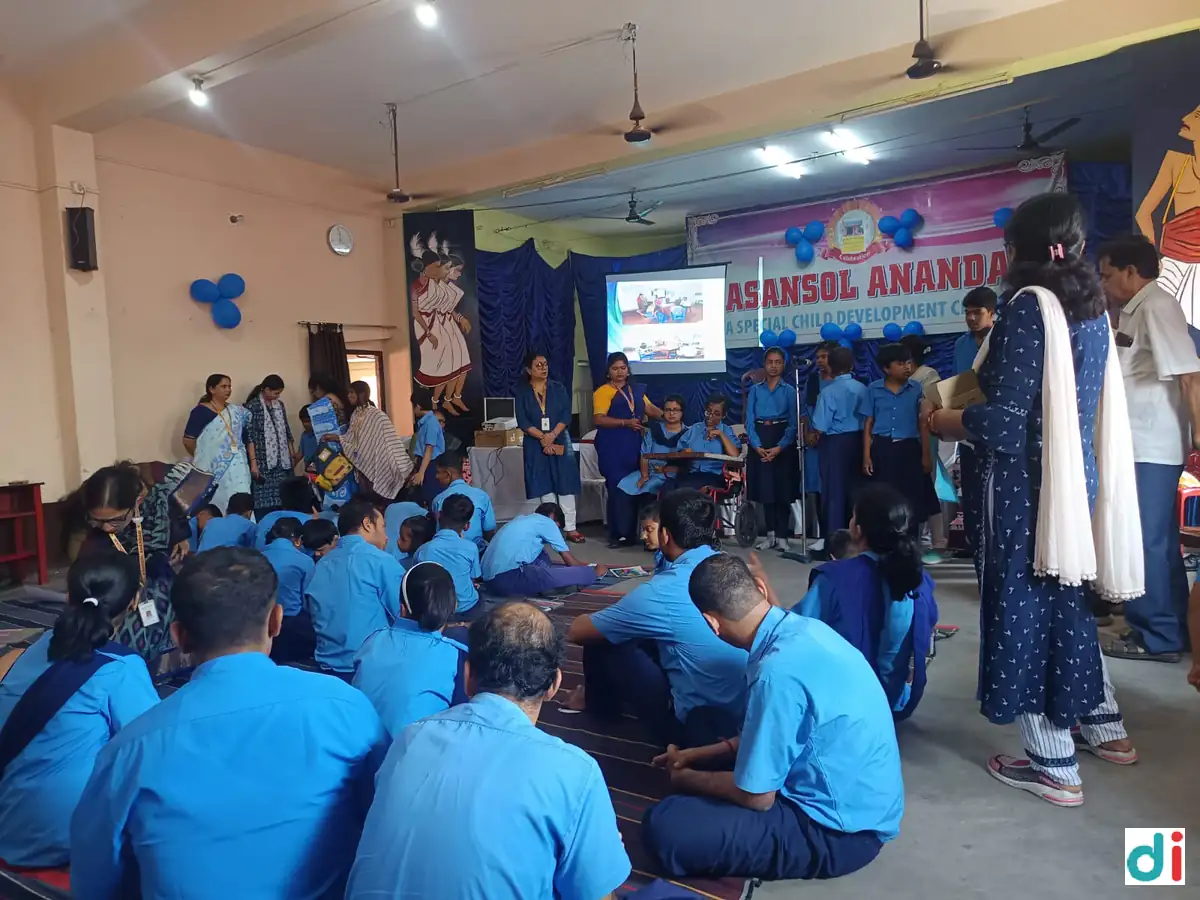
Learning how to support special children at home involves more than just physical care; it requires a specialized mindset that celebrates small victories. At Asansol Anandam, located in the heart of Dr. BC Roy Road, Sitla, Asansol, we believe that the home is the primary classroom for any child with unique needs. To effectively support special children, families should focus on "anchoring" the day with repetitive rituals that provide a sense of safety. We often see that breaking down complex tasks into tiny, achievable bites prevents sensory overload and frustration. Our approach emphasizes that your living space should be a sanctuary where the child feels empowered rather than restricted. By integrating specific tools like visual timers or weighted blankets, you can turn a chaotic afternoon into a structured learning opportunity. We suggest that parents stay observant of non-verbal cues to adjust the home energy before a meltdown occurs. Constant communication with professionals ensures that the strategies used in the living room align with global best practices for neurodiversity.Personalized Daily Strategies
- Establish a "Visual Flow" using pictures to show the order of the day’s events.
- Designate a "No-Noise Zone" where the child can retreat when the world feels too loud.
- Use "First-Then" logic to help them transition from necessary tasks to preferred activities.
Strengthening Family Bonds
- Practice "Parallel Play" where you sit near the child without forcing direct interaction.
- Celebrate effort rather than just perfection to build long-term self-esteem and grit.
- Keep instructions under five words to ensure the brain processes the request clearly.
Essential Home Support Checklist
The following table outlines key areas where families can focus their energy to improve the daily quality of life for their children.| Support Category | Home Action Step | Expected Benefit |
| Physical Space | Declutter high-traffic areas | Reduces falls and sensory distraction |
| Communication | Use sign language or PECS cards | Lowers frustration from being misunderstood |
| Nutrition | Maintain a consistent mealtime | Regulates blood sugar and mood swings |
| Emotional | 10 minutes of undivided attention | Strengthens the parent-child attachment |
| Safety | Install door alarms or safety locks | Provides peace of mind for wandering habits |
Frequently Asked Questions
How can I manage meltdowns effectively when trying to support special children at home?We recommend staying calm, reducing environmental stimuli like lights or noise, and giving the child space to self-regulate without excessive verbal questioning.
What is the best way to introduce a new routine?
Introduce changes gradually by using a visual calendar and talking about the new activity a few days before it actually happens.
Why is consistency so important for special needs kids?
Consistency creates a mental map of what to expect next, which significantly lowers cortisol levels and helps the child feel in control of their world.
How does Asansol Anandam help local families in Sitla?
We provide localized guidance and community support tailored to the specific cultural and environmental context of families living in the Asansol region.
Can simple chores help in their development?
Yes, giving a child age-appropriate responsibilities like sorting socks builds motor skills and provides a vital sense of belonging and contribution.
Where can I find professional resources in Asansol?
You can visit us at our center on Dr. BC Roy Road to discuss personalized plans and connect with other parents in the Sitla area.