Inclusive vocational training Sitla 2026
26 Feb 2026, 7:16 AM IST
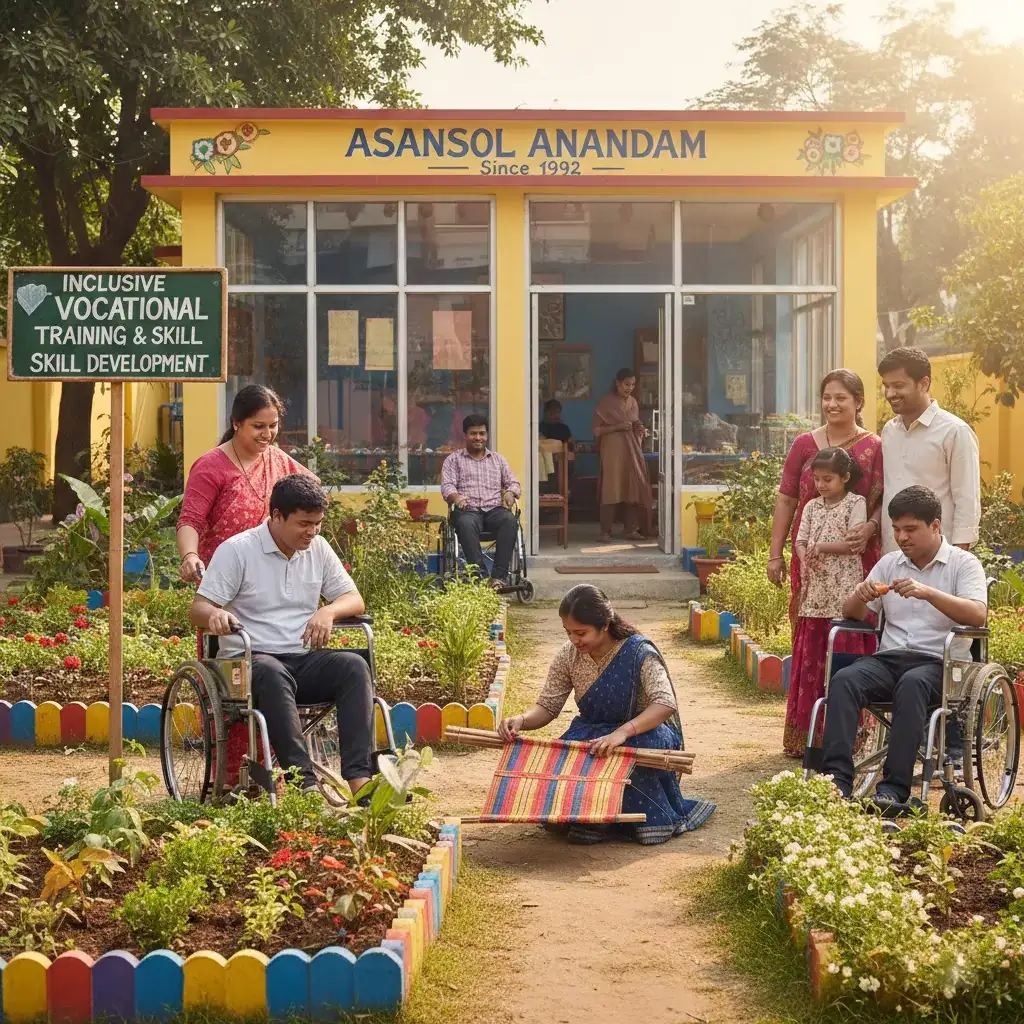
Inclusive vocational training Sitla empowers persons with disabilities through practical, skill-based education linked to real employment opportunities. Located on Dr. BC Roy Road, Sitla, Asansol, Asansol Anandam delivers structured programs, accessible facilities, and disability skill development Sitla initiatives that promote independence, confidence, and long-term livelihood support within the local community.Skill development changes lives when access is equal and opportunity is real.
What is inclusive vocational training in Sitla?
Inclusive vocational training Sitla is a structured skill development approach that ensures persons with disabilities receive equal access to practical, job-oriented education in an accessible and supportive environment. It combines adaptive teaching methods, assistive tools, and placement support so every learner can build confidence, earn independently, and participate fully in the workforce.About Asansol Anandam – Inclusive Learning with Purpose
In the first 100 days of transformation, the focus remains clear—access, dignity, and employability. Through inclusive vocational training Sitla, structured programs are delivered from Dr. BC Roy Road, Sitla, Asansol, ensuring learners do not need to travel far for quality education. Asansol Anandam is an organization dedicated to bridging ability and opportunity. The training model blends classroom instruction with hands-on practice. Real tools. Real workshops. Real outcomes. The approach is not charity-driven; it is empowerment-driven. Students receive disability skill development at Sitla support tailored to physical, intellectual, and sensory needs. Trainers use adaptive modules, simplified communication, and assistive learning methods. Progress is tracked. Confidence grows. Families witness visible change. The local employer network is involved early, so skills match actual job demand. Inclusive vocational training Sitla programs cover technical trades, digital literacy, small business skills, and life readiness. Placement guidance, internship linkage, and entrepreneurship mentoring are included. No rigid theory-heavy system. Practical exposure dominates. Disability skill development at Sitla initiatives also include soft skills, communication drills, and financial awareness sessions. The goal is sustainable livelihood. Not short-term certification. Not token participation. Inclusive vocational training Sitla here builds earning capacity with dignity.Disability Skill Development Sitla Programs
1) Skill-Based Courses
Training includes:- Basic computer and digital literacy
- Tailoring and garment skills
- Retail and customer service training
- Electrical and repair basics
- Handicrafts and micro-enterprise skills
2) Support Systems That Matter
- Accessible classrooms and learning spaces
- Individual progress assessment
- Career counseling sessions
- Local employer collaboration
- Self-employment guidance
Program Structure at a Glance
| Program Element | What It Includes | Outcome Focus |
|---|---|---|
| Skill Training | Practical trade modules with adaptive methods | Job-ready technical ability |
| Digital Literacy | Computer basics, online tools, documentation | Workplace readiness |
| Soft Skills | Communication, teamwork, confidence building | Employability strength |
| Entrepreneurship | Small business planning and budgeting | Self-employment pathway |
| Placement Support | Employer tie-ups and interview prep | Sustainable income |