Complete Guide to Occupational Risk Management in Industrial Areas Near Jambhe
28 Feb 2026, 5:21 PM IST
Occupational Risk Management in Industrial Areas is essential for protecting workers and ensuring compliance in high-risk settings. Major industrial risks include machinery accidents, chemical exposures, electrical hazards, falls, ergonomic strains, fires/explosions, and noise/vibration issues. At BMSF Industrial Health and Safety Clinic in Green Ville, Jambhe, Pune, specialized services help industries identify, assess, and control these dangers effectively through expert evaluations and preventive programs.What are major industrial risks?
Major industrial risks refer to workplace hazards that can cause serious injuries, illnesses, or fatalities in factories, manufacturing plants, and other industrial zones. Common ones include mechanical/machine-related incidents (like unguarded moving parts causing amputations or crushes), chemical exposures leading to burns/toxicity/respiratory problems, electrical shocks or electrocutions, slips/trips/falls from uneven surfaces or heights, ergonomic issues from heavy lifting/repetitive motions resulting in strains or musculoskeletal disorders, fire and explosion risks from flammable materials, and physical factors like excessive noise, vibration, or extreme temperatures.
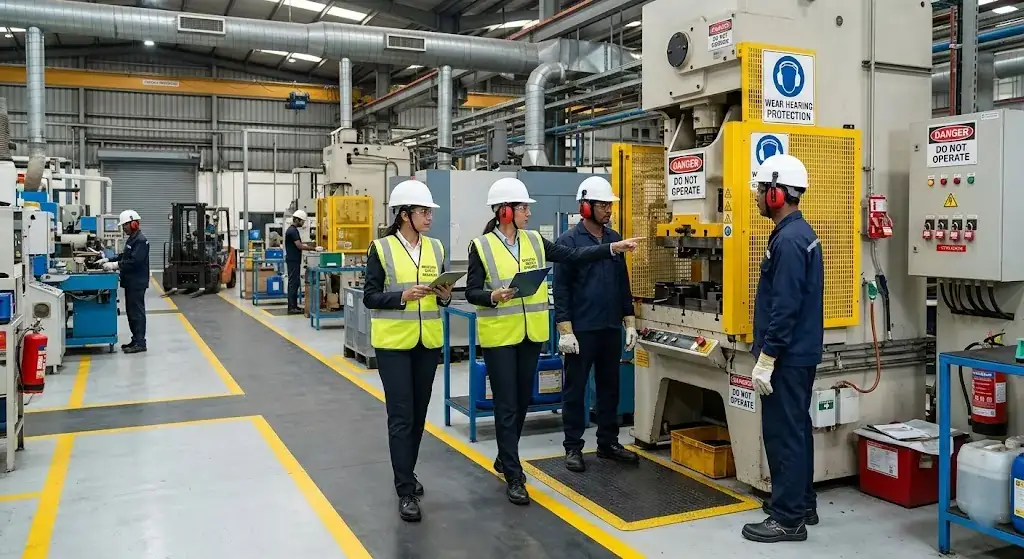
In real industrial setups around Pune and beyond, these risks aren't just theoretical—workers face them daily on noisy shop floors, near heavy presses, or handling solvents. Poor control leads to downtime, medical claims, and lost lives, but smart Occupational Risk Management in Industrial Areas changes that. It starts with thorough hazard identification, risk assessment, and layered controls.
For deeper insights into our specialized approach, check out Occupational Risk Management in Industrial Areas at BMSF Industrial Health and Safety Clinic.
Understanding Industrial Hazard Control Effective industrial hazard control follows proven hierarchies to minimize exposure. Elimination removes the hazard entirely—think switching to safer processes or materials. Substitution replaces dangerous elements with less harmful ones, like using water-based cleaners instead of toxic solvents. Engineering controls isolate people from hazards through guards on machines, ventilation systems for fumes, or noise barriers. Administrative controls limit exposure via training, job rotation, scheduled breaks, and clear procedures. As a last line, personal protective equipment (PPE) like respirators, gloves, helmets, and ear protection shields workers when higher methods aren't fully feasible. Combining these layers creates robust protection.
At our clinic in Green Ville, Jambhe, Pune, we see how factories that prioritize industrial hazard control cut incidents dramatically. Regular audits reveal hidden risks, like inadequate machine guarding or poor ventilation, before they cause harm. Training sessions build awareness, while health screenings catch early signs of strain or chemical effects.
Key Benefits of Strong Occupational Risk Management in Industrial Areas
- Reduced injuries and illnesses keep skilled workers on the job longer.
- Lower insurance premiums and compensation claims save significant costs.
- Better compliance with Factories Act, ISO 45001, and other regulations avoids fines.
- Enhanced morale—workers feel valued when safety comes first.
- Improved productivity from fewer disruptions and absences.
| Risk Category | Examples of Hazards | Primary Control Methods (Hierarchy) | Why It Matters in Industrial Settings |
|---|---|---|---|
| Mechanical/Machine | Unguarded parts, moving belts, presses | Engineering (guards, interlocks), Administrative (training, lockout/tagout) | High amputation/crush injury rates |
| Chemical Exposure | Toxic fumes, spills, corrosives | Substitution (safer alternatives), Engineering (ventilation, enclosures) | Respiratory issues, burns, long-term health effects |
| Electrical | Faulty wiring, live parts | Engineering (insulation, grounding), PPE (insulated tools) | Shocks, electrocution fatalities |
| Falls/Slips/Trips | Wet floors, uneven surfaces, heights | Engineering (guardrails, non-slip mats), Administrative (housekeeping) | Leading cause of non-fatal injuries |
| Ergonomic/Physical Strain | Heavy lifting, repetitive motions, vibration | Administrative (job rotation, breaks), Engineering (lift aids) | Musculoskeletal disorders common |
| Fire/Explosion | Flammable materials, dust accumulation | Elimination/Substitution, Engineering (ventilation, suppression systems) | Catastrophic events possible |
| Noise & Vibration | Loud machinery, tools | Engineering (enclosures, dampening), PPE (ear protection) | Hearing loss, hand-arm vibration syndrome |
Frequently Asked Questions
What are the major industrial risks workers face daily?
Machinery accidents, chemical exposures, electrical hazards, falls, ergonomic strains, fires/explosions, and noise/vibration top the list—each can lead to serious harm without proper management.
How does industrial hazard control work in practice?
It uses a hierarchy: eliminate or substitute first, then engineer safeguards, add administrative rules like training, and finally provide PPE. Layering these approaches delivers the best results.
Why choose BMSF Industrial Health and Safety Clinic for occupational risk management?
Located in Green Ville, Jambhe, Pune, we offer expert assessments, health check-ups, training, and compliance support tailored to local industries—helping reduce risks and keep workplaces safer.
What role does training play in Occupational Risk Management in Industrial Areas?
Training builds awareness, teaches safe practices, and ensures everyone knows emergency responses—it's a key administrative control that prevents many incidents.
How often should risk assessments happen?
At least annually, or after changes like new equipment, processes, or incidents—regular reviews catch evolving risks early.
Can small factories implement effective industrial hazard control?
Yes—start with simple steps like housekeeping, basic guards, and training; scale up with professional help from clinics like ours for bigger impact.
What health services support risk management?
Pre-employment and periodic check-ups detect issues early, while specialized screenings monitor exposure effects—vital for long-term worker health.