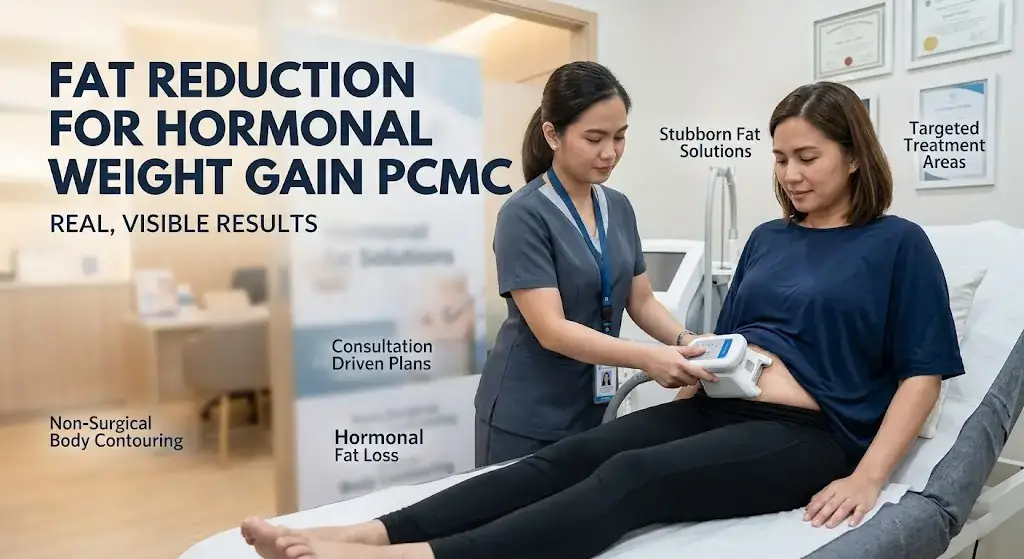
Hormonal weight gain can be stubborn, but modern treatments offer real solutions. Fat reduction for hormonal weight gain PCMC focuses on targeting resistant fat areas using non-invasive techniques. With personalized plans, consistent results are achievable, helping individuals regain body confidence without extreme dieting or surgery.
A practical approach exists for managing hormone-driven fat with targeted, science-backed treatments.
Hormonal fat tends to accumulate slowly but stubbornly. Many notice sudden weight gain despite unchanged eating habits. That’s the hormonal shift. Fat reduction for hormonal weight gain PCMC targets this exact problem. Non-surgical treatments stimulate fat breakdown while improving lymphatic drainage. Circulation improves. The body becomes more responsive. Unlike crash dieting, the skin remains tight. Energy levels don’t drop. The process respects the body’s internal rhythm. This is the advantage of combining technology with biological understanding. Hormonal-fat loss becomes structured, measurable, and less frustrating. Instead of chasing weight loss, the focus shifts to inch loss and contouring. Over time, that leads to visible transformation without harming metabolism.
This table helps simplify choices. It shows how different treatments contribute to hormonal fat loss without confusion.
A practical approach exists for managing hormone-driven fat with targeted, science-backed treatments.
Can hormonal fat gain be reduced with treatments?
Yes, hormonal fat gain can be reduced with advanced treatments designed to target stubborn fat deposits that resist diet and exercise. These treatments work by breaking down fat cells, improving metabolism, and supporting body contouring, especially in areas affected by hormonal imbalances like the abdomen, thighs, and arms.Fat Reduction for Hormonal Weight Gain PCMC: Real Solutions That Work
Struggling with hormonal weight gain is different from regular fat gain. It doesn’t respond easily. That’s where fat reduction for hormonal weight gain PCMC becomes relevant. At Liposé Fat Freeze Clinic, solutions are designed keeping hormonal patterns in mind. Instead of forcing harsh diets, the focus stays on targeted fat reduction. Hormones like insulin, cortisol, and estrogen often slow fat metabolism. Treatments such as cryolipolysis, inch-loss therapies, and metabolism activation help bypass these barriers. The body starts responding again. Areas like lower belly, hips, and back fat show gradual improvement. Results are not overnight, but they are visible and sustainable. This is where hormonal-fat loss becomes practical, not just theoretical. Explore more about fat reduction for hormonal weight gain PCMC and how structured treatments can change the journey.Understanding Hormonal-Fat Loss and Why It’s Different
What makes hormonal fat harder to lose?
Hormonal fat doesn’t behave like normal fat. It stores deeper and resists calorie deficits. Stress, thyroid imbalance, PCOS, and lifestyle patterns contribute to it.How hormonal-fat loss treatments help
Instead of relying only on food restriction, treatments focus on breaking fat cells directly. This reduces dependency on hormones alone.Hormonal fat tends to accumulate slowly but stubbornly. Many notice sudden weight gain despite unchanged eating habits. That’s the hormonal shift. Fat reduction for hormonal weight gain PCMC targets this exact problem. Non-surgical treatments stimulate fat breakdown while improving lymphatic drainage. Circulation improves. The body becomes more responsive. Unlike crash dieting, the skin remains tight. Energy levels don’t drop. The process respects the body’s internal rhythm. This is the advantage of combining technology with biological understanding. Hormonal-fat loss becomes structured, measurable, and less frustrating. Instead of chasing weight loss, the focus shifts to inch loss and contouring. Over time, that leads to visible transformation without harming metabolism.
Treatments Available for Hormonal Fat Reduction
Popular non-surgical options
- Fat freezing (Cryolipolysis)
- Ultrasonic cavitation
- RF skin tightening
- Lymphatic drainage therapy
Why these treatments work
- They target fat cells directly
- They bypass hormonal resistance
- They support natural elimination of fat
Treatment Comparison Table for Better Clarity
| Treatment Type | Best For Areas | Pain Level | Sessions Needed | Visible Results Time | Suitable for Hormonal Fat |
|---|---|---|---|---|---|
| Fat Freezing | Belly, thighs | Low | 2–4 | 3–6 weeks | Yes |
| Ultrasonic Cavitation | Arms, waist | Very Low | 4–8 | 2–4 weeks | Yes |
| RF Skin Tightening | Loose skin areas | Low | 6–10 | 4–6 weeks | Supportive |
| Inch Loss Therapy | Full body contouring | Very Low | 6–12 | 2–3 weeks | Yes |
Who Should Consider These Treatments?
Ideal candidates
- Individuals with PCOS or thyroid imbalance
- Those facing stubborn belly or thigh fat
- People not seeing results from diet/exercise
Who may need consultation first
- Severe medical conditions
- Pregnancy-related cases
- Post-surgery recovery phase