Social Development Projects in South Kolkata: Planning, Community Engagement, Monitoring and Sustainable Impact
Introduction
Communities grow stronger when development initiatives are built on local knowledge, evidence-based planning, and meaningful participation. Social Development Projects in South Kolkata are increasingly focusing on creating sustainable solutions that address education, healthcare, livelihood generation, environmental protection, women's empowerment, youth development, and social inclusion. Instead of implementing isolated activities, organizations are adopting structured project management approaches—read more about driving change with purposeful project management—that combine research, community engagement, and continuous monitoring and evaluation to achieve measurable outcomes.South Kolkata comprises diverse neighbourhoods such as Khanpur, Naktala, Garia, Netaji Nagar, Bansdroni, and nearby communities, each with its own social priorities and development opportunities. Although these areas have experienced significant urban growth, challenges such as educational inequality, youth unemployment, limited awareness of government welfare schemes, and unequal access to healthcare continue to affect many households. Addressing these issues requires carefully designed projects supported by data, stakeholder collaboration, and long-term planning.
At New Horizon, our approach to Social Development Projects in South Kolkata begins with understanding community priorities before designing interventions. Every project integrates community research, participatory planning, capacity building, impact measurement, and transparent reporting to ensure that development efforts create meaningful and sustainable change. This structured methodology enables NGOs, CSR teams, educational institutions, government agencies, and community organizations to implement projects that improve lives while strengthening local participation. For educational institutions, our expertise extends to designing effective school brochures and annual reports to showcase their impact.
Effective social development is not simply about delivering services. It involves building partnerships, encouraging local leadership, strengthening institutional capacity, and creating systems that continue to benefit communities after project funding has ended. Through continuous community engagement, organizations gain valuable insights into local aspirations, cultural practices, available resources, and emerging challenges. These insights help create practical solutions that communities are willing to support and sustain.
Successful projects also depend on continuous monitoring and evaluation. Tracking project progress using measurable indicators—as explored in our guide on creating measurable outcomes from vision to action—enables organizations to identify implementation challenges, improve resource utilization, and demonstrate accountability to donors, government agencies, and beneficiaries. Regular monitoring ensures that project objectives remain aligned with community needs while evaluation provides evidence of social impact and lessons for future initiatives.
Whether the objective is improving school retention, supporting women's livelihoods, strengthening healthcare awareness, promoting environmental sustainability, or encouraging youth participation, Social Development Projects in South Kolkata benefit from a structured lifecycle that transforms ideas into measurable community outcomes.
Social Development Project Lifecycle
Every successful Social Development Project in South Kolkata follows a systematic process that guides planning, implementation, learning, and sustainability. A structured lifecycle improves decision-making, strengthens community engagement, reduces project risks, and supports effective monitoring and evaluation throughout implementation.1. Community Need Assessment
Every successful project starts with understanding the realities experienced by local communities. A community need assessment identifies existing challenges, available resources, priority concerns, and development opportunities before any intervention is planned.Typical assessment activities include:
- Household surveys
- Community meetings
- Focus group discussions
- Social mapping
- Resource mapping
- Participatory Rural Appraisal (PRA)
- Stakeholder interviews
- Observation studies
Expected Deliverables
- Community profile
- Needs assessment report
- Problem prioritization matrix
- Stakeholder analysis
- Initial project recommendations
2. Baseline Survey
A baseline survey measures the existing social, economic, educational, and environmental conditions before project implementation begins. It establishes reference values against which future progress can be compared during monitoring and evaluation.Common baseline indicators include:
- Literacy rate
- School enrolment and attendance
- Household income
- Healthcare accessibility
- Women's workforce participation
- Youth employment
- Digital literacy
- Water and sanitation coverage
- Community participation levels
3. Stakeholder Mapping
Strong partnerships are essential for successful Social Development Projects in South Kolkata. Stakeholder mapping identifies everyone who influences or is affected by the project.Stakeholders commonly include:
- Community members
- Local government departments
- Schools and colleges
- Healthcare providers
- NGOs
- Corporate CSR teams
- Self Help Groups
- Volunteers
- Youth clubs
- Community leaders
4. Goal Setting
Clear objectives provide direction and measurable success indicators for every project.Goals should follow the SMART framework:
- Specific
- Measurable
- Achievable
- Relevant
- Time-bound
- Increase secondary school attendance by 15% within twelve months.
- Train 250 women in vocational skills.
- Improve digital literacy among 400 young people.
- Expand community participation in health awareness programmes.
5. Budget Planning
Effective budgeting ensures that project resources are allocated efficiently while maintaining transparency and accountability.Typical budget components include:
- Human resources
- Training materials
- Community workshops
- Awareness campaigns
- Equipment
- Field visits
- Documentation
- Reporting
- Administration
- Monitoring activities
6. Risk Assessment
Every project faces uncertainties that may affect implementation.Common risks include:
- Low community participation
- Funding delays
- Policy changes
- Natural disasters
- Volunteer shortages
- Data quality issues
- Staff turnover
- Limited institutional capacity
Project Framework for Social Development Projects in South Kolkata
Every successful Social Development Projects in South Kolkata initiative follows a structured framework that converts community challenges into measurable and sustainable outcomes. Instead of implementing activities without a clear direction, organizations should adopt a project management framework that integrates community engagement, evidence-based planning, and continuous monitoring and evaluation at every stage. This approach improves accountability, encourages stakeholder participation, and ensures that resources are used effectively.Social Development Project Framework
| Stage | Key Activities | Expected Outcome |
|---|---|---|
| Problem Identification | Community needs assessment, field observations, stakeholder interviews | Clearly defined community issues |
| Research | Baseline survey, demographic analysis, secondary data review | Evidence-based understanding of local conditions |
| Community Consultation | Village meetings, focus group discussions, participatory planning | Community priorities and project ownership |
| Project Planning | Goal setting, budgeting, resource allocation, risk assessment | Detailed project implementation plan |
| Project Implementation | Capacity building, awareness campaigns, training, service delivery | Planned activities executed effectively |
| Monitoring | Field visits, progress tracking, beneficiary feedback, performance indicators | Continuous improvement and accountability |
| Evaluation | Endline survey, outcome assessment, impact measurement | Evidence of project achievements |
| Impact Report | Documentation, lessons learned, sustainability recommendations | Knowledge sharing and future planning |
Case Study: Women's Skill Development Project in South Kolkata
Women's economic participation plays a significant role in strengthening families and local communities. A structured skill development initiative demonstrates how Social Development Projects in South Kolkata can create long-term social and economic benefits through community participation and continuous learning.Project Objective
The primary objective was to improve livelihood opportunities for women by providing vocational skills, financial literacy, and entrepreneurship support while encouraging local leadership and self-reliance.Community Background
A preliminary community needs assessment identified several challenges:- Limited employment opportunities for women
- Low digital literacy
- Limited awareness of government livelihood programmes
- Lack of access to entrepreneurship training
- Financial dependence on seasonal household income
Project Activities
The project included:- Household surveys
- Baseline survey
- Community mobilization meetings
- Vocational skill training
- Digital literacy workshops
- Financial literacy sessions
- Entrepreneurship mentoring
- Market linkage support
- Exposure visits to successful self-help groups
Challenges During Implementation
Several implementation challenges emerged during the project:- Irregular attendance during seasonal employment periods
- Limited childcare support
- Low confidence among first-time participants
- Transportation constraints
- Limited digital access for online learning
Results
After project completion, several positive outcomes were observed:- Increased participation in vocational training programmes
- Improved confidence among women participants
- Greater awareness of financial planning
- Increased interest in entrepreneurship
- Stronger collaboration between local organizations and community groups
- Formation of self-help groups for continued peer learning
Lessons Learned
Key lessons from the project included:- Early stakeholder participation improves project ownership.
- Community-led planning increases participation.
- Regular beneficiary feedback improves implementation quality.
- Continuous mentoring supports long-term behaviour change.
- Local partnerships strengthen project sustainability.
Government Statistics and SDG Alignment
Evidence-based planning strengthens Social Development Projects in South Kolkata by using verified national and state-level datasets instead of assumptions. Reliable statistics help organizations identify priority issues, establish measurable objectives, and evaluate project outcomes. Useful data sources include:| Government Source | Application in Social Development |
|---|---|
| Population Census of India | Population profile and demographic trends |
| National Family Health Survey (NFHS) | Health, nutrition, maternal and child welfare indicators |
| UDISE+ | School enrolment, attendance, and dropout analysis |
| NITI Aayog SDG India Index | Sustainable Development Goal performance |
| National Sample Survey (NSS) | Employment and socio-economic indicators |
| Ministry of Education | Literacy and educational planning |
| Ministry of Rural Development | Livelihood and rural development programmes |
- SDG 1: No Poverty
- SDG 3: Good Health and Well-being
- SDG 4: Quality Education
- SDG 5: Gender Equality
- SDG 8: Decent Work and Economic Growth
- SDG 10: Reduced Inequalities
- SDG 11: Sustainable Cities and Communities
- SDG 17: Partnerships for the Goals
Original Field Research and Community Insights
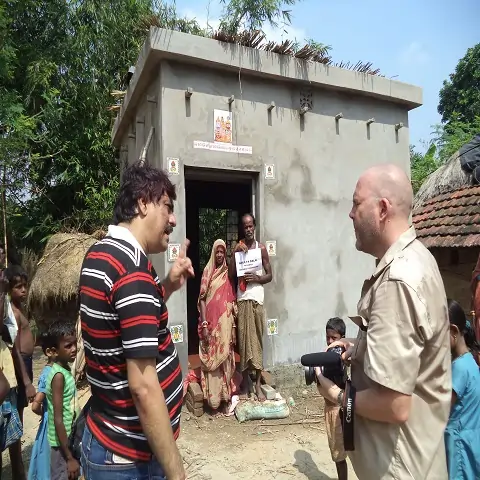
Strong Social Development Projects in South Kolkata begin with listening to communities before designing solutions. During community interactions across Khanpur, Naktala, Garia, Netaji Nagar, and nearby neighbourhoods, discussions with residents, teachers, youth groups, community volunteers, and local organizations revealed several recurring priorities. Participants consistently highlighted:- Increasing demand for employability and vocational skills among young people.
- Greater awareness of digital services but limited confidence in using them.
- Continued need for educational support programmes for students from economically disadvantaged households.
- Growing interest in women's entrepreneurship and financial independence.
- Demand for accessible health awareness and preventive healthcare programmes.
- Greater willingness among residents to participate when projects include transparent communication and regular feedback opportunities.
Community Engagement Strategies
Meaningful community engagement is one of the strongest predictors of project success. Organizations that actively involve beneficiaries throughout the project lifecycle often achieve higher participation, stronger ownership, and better long-term sustainability. Effective strategies include:- Conducting participatory planning workshops.
- Organizing community consultation meetings before implementation.
- Including women, youth, senior citizens, and marginalized groups in decision-making.
- Establishing local volunteer committees.
- Sharing regular project updates through community meetings.
- Collecting beneficiary feedback during implementation.
- Building partnerships with schools, health centres, and local organizations.
- Encouraging community leadership in project activities.
Evidence-Based Planning for Sustainable Impact
Evidence-based planning ensures that Social Development Projects in South Kolkata address genuine community priorities rather than assumptions. Combining community research with reliable government data, stakeholder consultation, and continuous monitoring and evaluation allows organizations to make informed decisions throughout the project lifecycle. A strong evidence-based planning process includes:- Community needs assessment
- Baseline survey
- Secondary data analysis
- Stakeholder mapping
- Risk assessment
- Logical framework development
- Performance indicator selection
- Continuous monitoring
- Mid-term review
- Final impact assessment